
Can AI Automate Business Workflows and Still Require Human Approval?
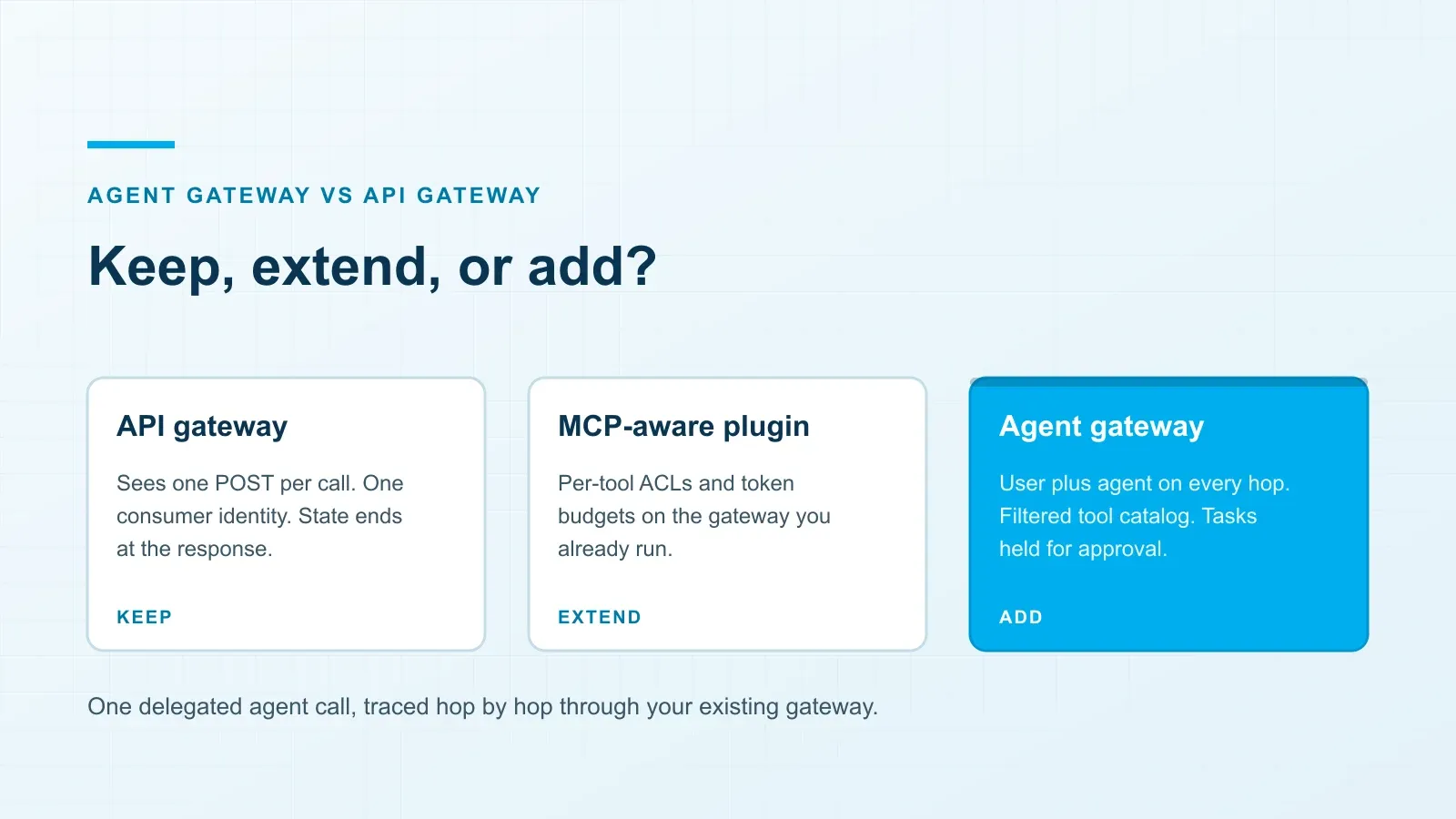
Yes. AI can prepare and route work while a person retains the decision over an important action. Jarvis AgentFlow by ASCENDING combines visual orchestration, human sign-off gates and execution tracing. It is relevant to teams connecting agents and business tools while retaining approval over consequential changes.
For a purchase request, that means gathering policy evidence and preparing the proposed update before an authorized reviewer decides whether it proceeds. The gate belongs before the protected action, not after the purchasing record has changed.
How AgentFlow supports an approval-dependent workflow
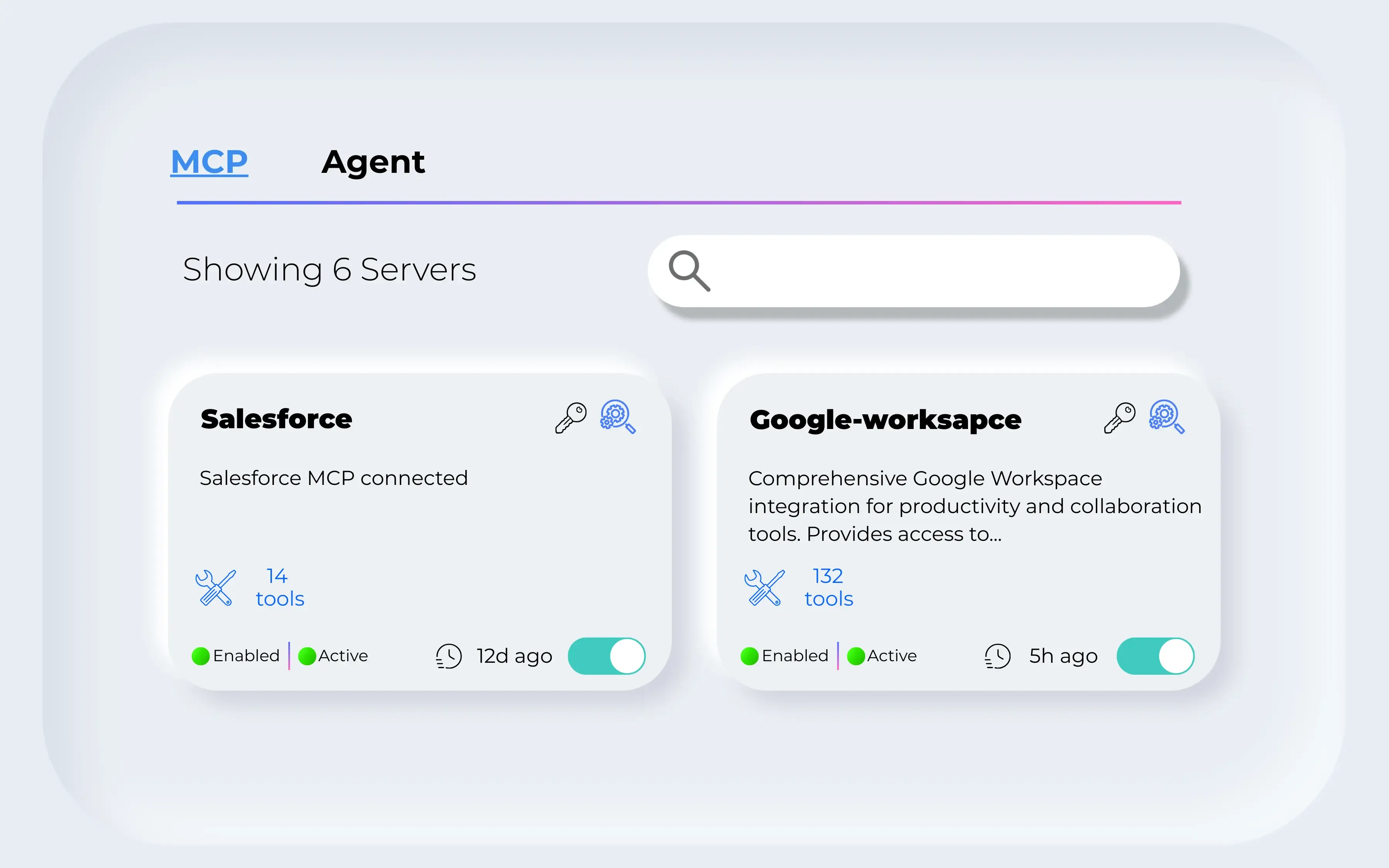
Start with the supplied components, then agree the implementation details for your purchasing process. The AgentFlow demonstration shows the visual workflow approach.
| Workflow requirement | Documented Jarvis capability | Implementation detail to verify |
|---|---|---|
| Pause before a consequential action | AgentFlow human sign-off gates | Reviewer assignment, decision scope and expiry |
| Connect preparation, decision and action | AgentFlow canvas and conditional routing | Purchasing-system integration and exception paths |
| Investigate a run or retry | AgentFlow execution traces and per-node retry | Required decision fields, retention and duplicate-update handling |
| Restrict access to registered resources | Registry endpoint scopes and resource permissions | Caller roles and the particular tools or agents they may access |
These features make Jarvis worth evaluating when a team needs both orchestration and a human decision point. The business must still define its approval policy and connect the relevant systems. Software functionality, configured policy and a measured business outcome are separate parts of the evaluation.
Proposed implementation: one purchase request from intake to outcome
This is an illustrative design to scope against your procurement system, not a prebuilt purchasing connector or a reported customer deployment. Keep the purchasing system as the system of record and carry one request ID through the journey.
| Stage | Proposed Jarvis component | Purchase information or decision |
|---|---|---|
| Receive the request | AgentFlow input step | Requester, supplier, items, amount, currency and request ID |
| Assemble evidence | AgentFlow retrieval and tool steps, with scoped integrations | Current purchasing policy, supplier context and missing information |
| Prepare the proposal | AgentFlow routing and agent steps | Exact proposed update, supporting evidence and unresolved exceptions |
| Obtain human sign-off | AgentFlow approval gate | Authorized reviewer’s decision on the displayed proposal |
| Apply the approved change | AgentFlow tool step through Registry-governed access | Scoped purchasing update and destination record ID |
| Reconcile the result | AgentFlow trace plus the purchasing record | Completed, correctly rejected, failed or requiring investigation |
An employee submits the purchase request. The workflow retrieves the relevant policy and prepares a proposal. The reviewer sees the supplier, amount, affected record and evidence, then approves or rejects it. An approved request proceeds to the scoped update; an exception follows the agreed review route. Finally, an operator can connect the recorded decision with the destination system’s result.
Missing policy evidence should trigger that exception route rather than letting the model invent an approval threshold.
Keep three permission boundaries separate
- Registry access: endpoint scopes and resource permissions control access to registered resources. The Registry scope design describes these checks separately.
- Business-record permissions: the purchasing integration’s identity determines which records and operations it may read or change in the destination system.
- Human decision: the authorized reviewer decides whether this particular proposed purchase may proceed.
Approving a purchase must not broaden the connector’s permissions; permission to update a record must not bypass a required decision. OWASP’s excessive-agency guidance supports limiting functionality and permissions as well as applying human review.
The same separation matters when AI output feeds an investigation. In investigative AI for law enforcement, an analyst must be able to review and correct a match before it travels downstream.
Five acceptance checks for the same purchase request
- Reviewed inputs: show the exact supplier, amount, affected record and proposed change. Approving that proposal must authorize the displayed operation, not unspecified later actions.
- Authorized reviewer: test the assigned approver and an unauthorized user. Define what happens when the approver is absent or the decision expires: wait, escalate or stop.
- Rejection: reject the purchase and verify that the protected update does not execute. Record a correct rejection separately from a technical failure.
- Changed inputs: alter the supplier or amount after review. The changed proposal must need a new decision rather than silently reusing the earlier approval.
- Retries: simulate a lost response after the purchasing system accepts an update. Verify how duplicate execution is prevented or detected, and reconcile the actual record before retrying.
These are implementation acceptance tests, not assumed defaults. If a project also uses Amazon Bedrock action confirmation, its confirmation response must be handled in that integration. It does not substitute for testing the complete purchase journey.
Keep model processing and logging in the review too. Private models and external model APIs have different data paths; human approval does not change them. Agree which request, decision and execution fields operators need without retaining unnecessary sensitive content.
Related approval workflow: insurance verification
Insurance verification makes a useful approval test case. The eligibility workflow guide separates payer evidence from a proposed record update, while the payer-call handoff guide specifies the unresolved questions and source references a reviewer should receive. Run an expired approval and a conflicting-benefit case through that path, then verify that the destination record remains unchanged until an authorized decision is made.
Measure the result, then decide whether to expand
AgentFlow tracing helps investigate execution. The purchasing record establishes whether the intended update completed correctly. Join them using the request ID and track correct completions, policy rejections and unresolved failures separately.
Measure reviewer effort separately from approval waiting time. Compare equivalent purchases before and after the pilot, including correction effort and integration costs. Our build-or-buy guide explains how these costs fit the wider purchasing decision.
Request a Jarvis AgentFlow demo focused on one approval-dependent workflow. Bring a purchase example, its authorized reviewer and the five acceptance checks above so the team can demonstrate the proposed process from request to recorded outcome.
References
- Jarvis AgentFlow: visual workflows, approval and tracing
- Jarvis Registry: RBAC and scopes
- OWASP: excessive agency and limiting permissions
- AWS: user confirmation for agent actions
Questions about approval gates
Does Jarvis AgentFlow support human approval?
Yes. AgentFlow provides gates that pause runs for human sign-off. Configure the decision scope and verify reviewer assignment, expiry and retry behavior for your workflow.
Where should human approval sit in an AI workflow?
Before the action that needs authorization, with the proposed inputs and affected records visible. Reviewing a completed action is monitoring, not an approval gate.
Does every agent step need human approval?
No. Classify steps by consequence and policy. Routine permitted retrieval can differ from sending messages, changing records or deleting data. Avoid making reviewers approve low-value steps repeatedly.
Does human approval make an AI workflow compliant?
Not on its own. Approval is one control alongside identity, restricted permissions, data handling, monitoring and the rules applicable to the workflow.
Does a purchase-approval workflow replace our procurement system?
Not in this example. The procurement system remains the system of record. Scope the required read and update operations, destination permissions and reconciliation before implementing the workflow.