What Is a Private Skill Marketplace? A Definition for Enterprise Teams
A private skill marketplace is an access-controlled catalog of AI agent skills. See how it differs from public ones and when your team needs it.

Practical guides, checklists and side-by-side comparisons to help your team plan, choose and run AI and Cloud projects. Free to read, no sign-up needed.
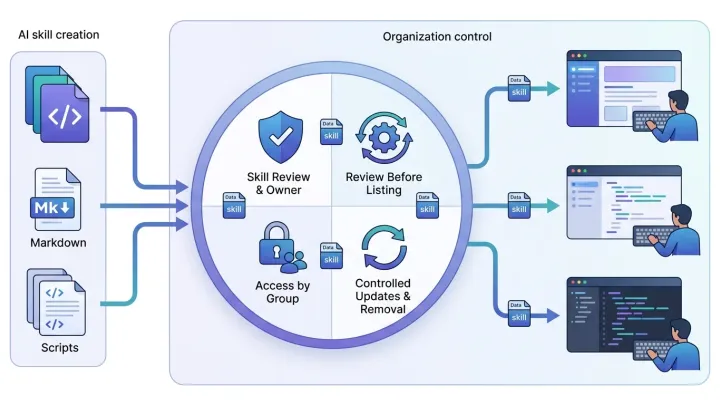
A private skill marketplace is an access-controlled catalog of AI agent skills. See how it differs from public ones and when your team needs it.
All articles
106 articles
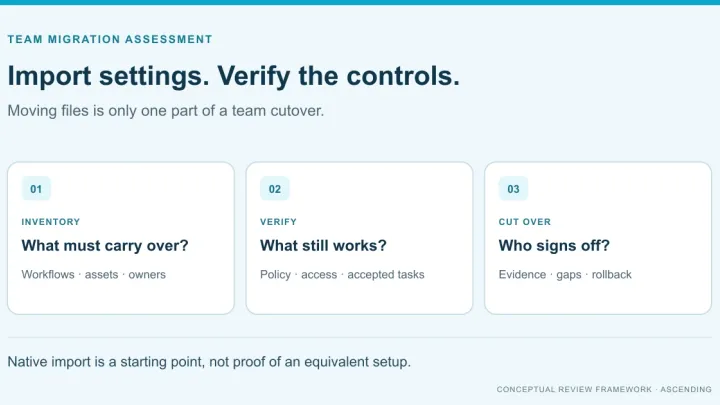
Native import can copy configuration, not prove a safe team cutover. Map Codex workflows, test Claude Code controls and record the gaps before switching.
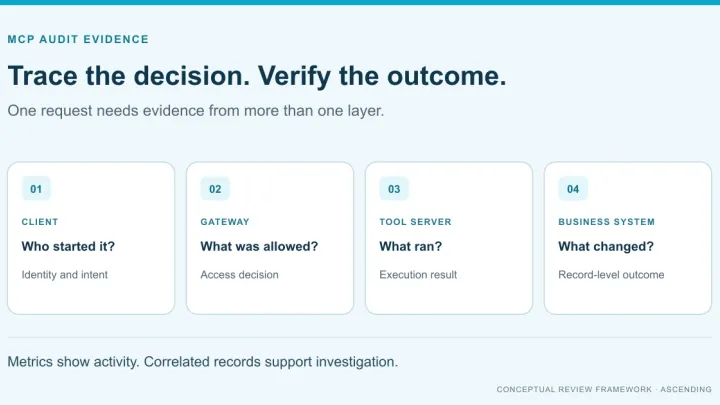
A tool-call dashboard isn't an audit trail. Map identity, authorization and outcomes across MCP systems, then test the evidence without storing secrets.
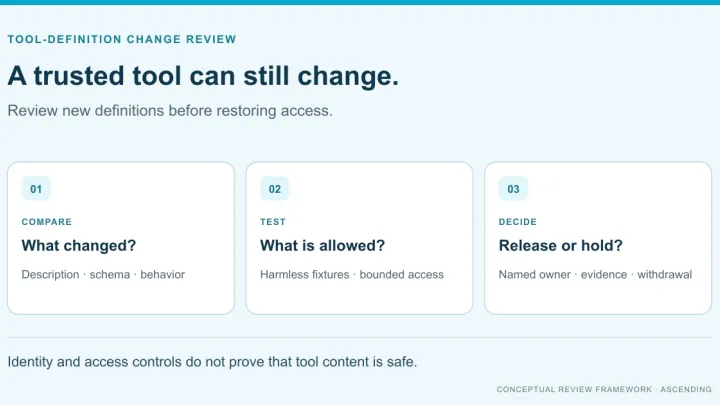
An approved MCP server can expose a changed tool definition later. Use a review record and safe tests to decide whether that update should reach company users.
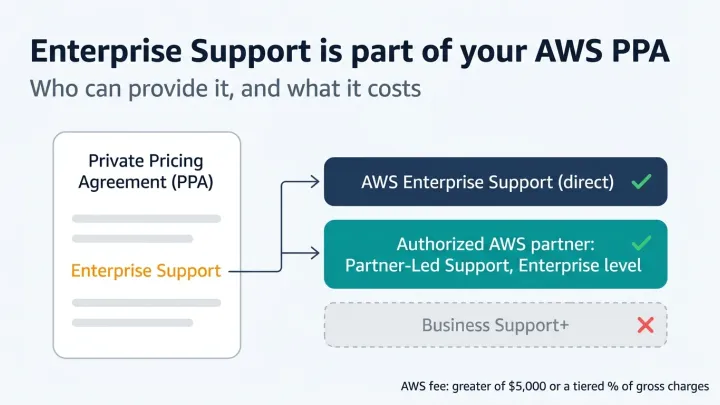
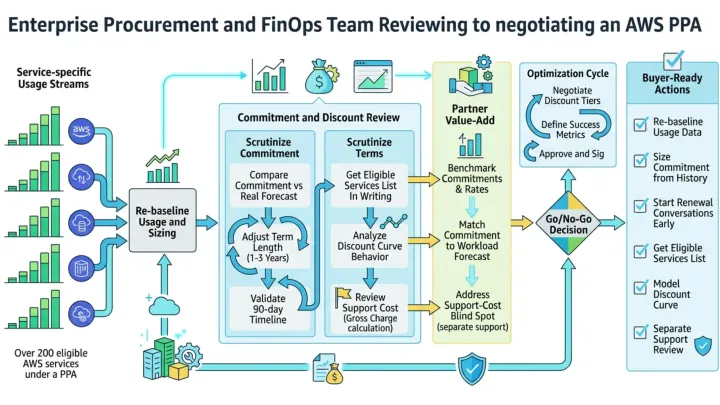
Enterprise Support comes with a cross-service AWS PPA. See who is authorized to provide it, which credentials to check, and what it costs over a 3-year term.
A company AI migration is more than moving chats. Map workspace assets, API dependencies and permissions, then test one workflow before committing to a rollout.
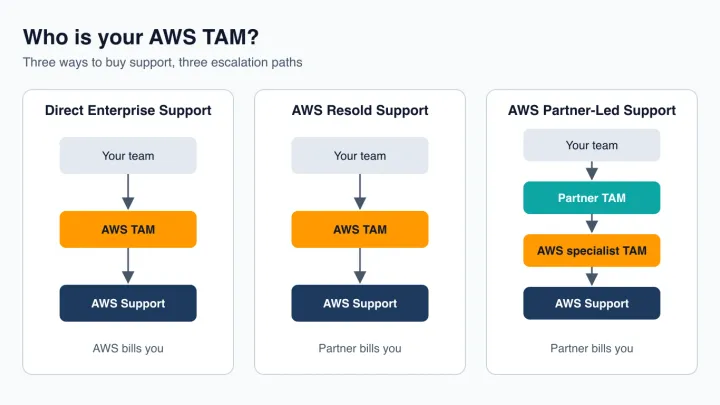
An AWS TAM plans, reviews and escalates but is not hands-on. See who your TAM is under partner-led support, and how partner and AWS TAMs differ in reach.
Skills and subagents carry over from Cursor to Claude Code, but hooks need rebuilding and Tab has no equivalent. See each mapping and what to test first.
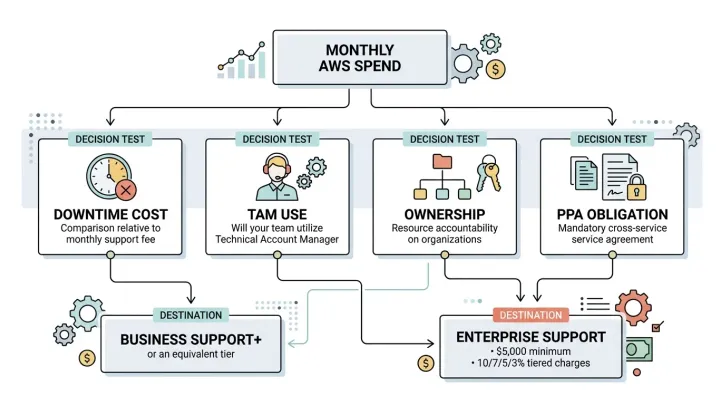
Enterprise Support pays off when a TAM and a 15-minute response prevent costly downtime, not by spend alone. Check your AWS bill against four tests.
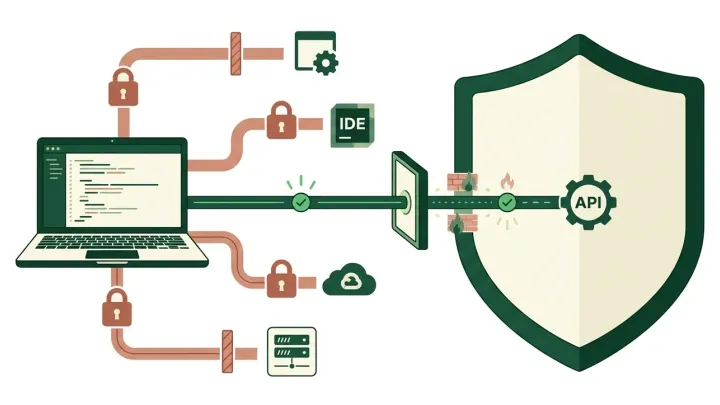
Claude Code is HIPAA-ready on one connection route only. See what the BAA covers, what it excludes, and how IT enforces the route with SSO and policy.
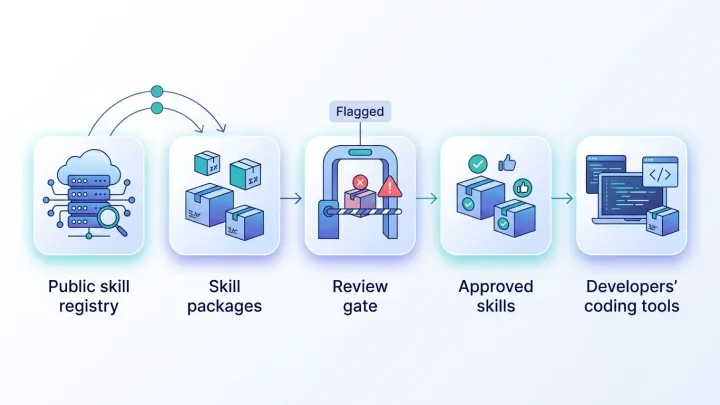
Public agent skills carry measured malware and prompt-injection risk, and scanners miss attacks. Here's how teams can vet skills before anyone installs one.
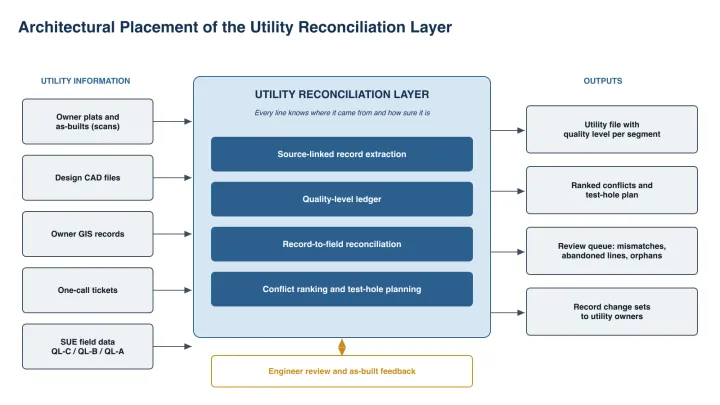
Utility records and field data rarely agree, and base maps hide which lines to trust. See how a reconciliation layer tags quality levels and ranks test holes.
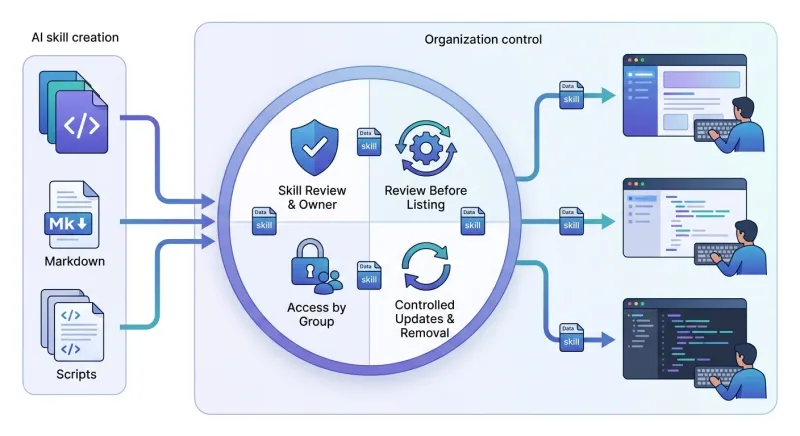
A private skill marketplace is an access-controlled catalog of AI agent skills. See how it differs from public ones and when your team needs it.

AWS partner support can match Enterprise Support's SLA and TAM while changing who you call and who bills you. See what changes and how to compare offers.
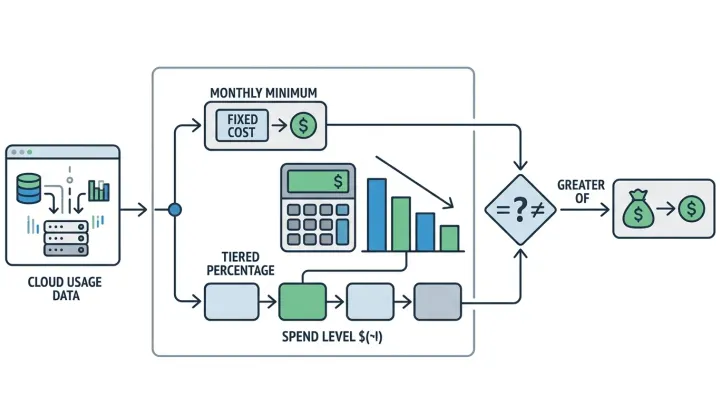
Enterprise Support is the greater of $5,000 or tiered 10/7/5/3% of gross AWS charges. See the math at $40K, $250K and $1M a month, and why a PPA won't cut it.
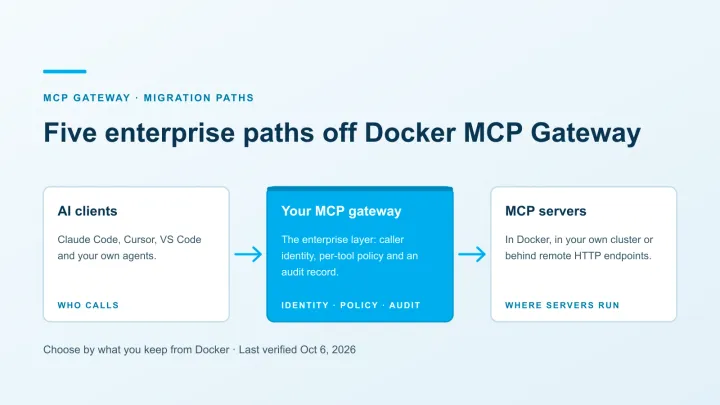
Docker can keep running your MCP servers when you add central access controls. Compare five migration paths and check what happens to credentials and isolation.
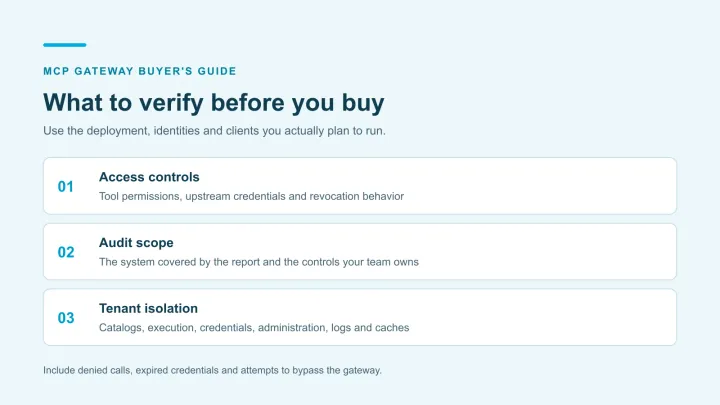
An MCP gateway demo won't show you its security boundaries. Compare access controls, audit scope and tenant isolation before committing to a deployment.
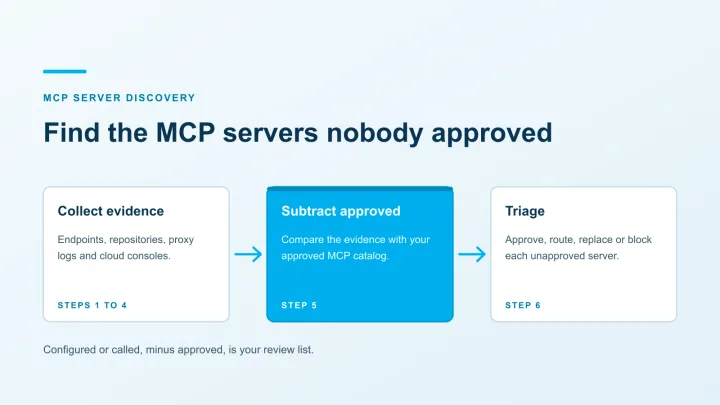
Local MCP servers won't appear in proxy logs. Combine endpoint configs, repository searches and cloud records to find unapproved servers and assign owners.
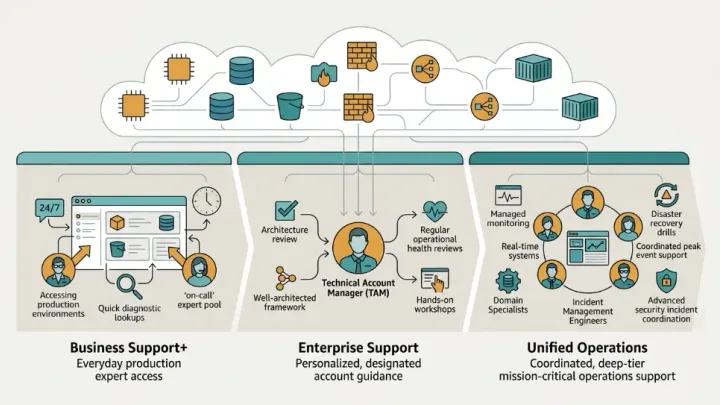
AWS now sells three support plans and retires Developer, Business and On-Ramp on 2027-01-01. See how they differ and which fits your workload.
MCP governance means deciding which servers connect, who calls which tools and what evidence you keep. Use this eight-control checklist to run it.
Use this AI readiness checklist to assess data, access, evaluation, cost and ownership, with evidence requirements and clear gates for an enterprise pilot.
Compare ChatGPT Enterprise and Claude Enterprise on access, integrations, pricing and deployment, then choose with a practical pilot and procurement checklist.
Deploy Claude Code managed settings with a minimal JSON example, correct OS paths, SSO boundaries, MCP controls, and a practical rollout and rollback plan.
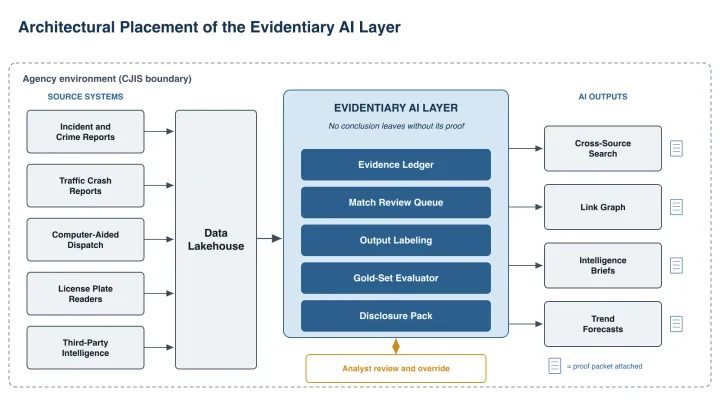
Investigative AI links people and cases across police data, but courts need proof. See the evidentiary layer that lets outputs survive discovery and Daubert.
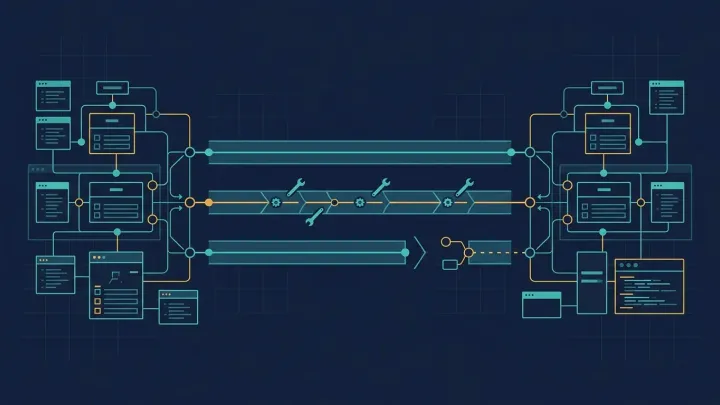
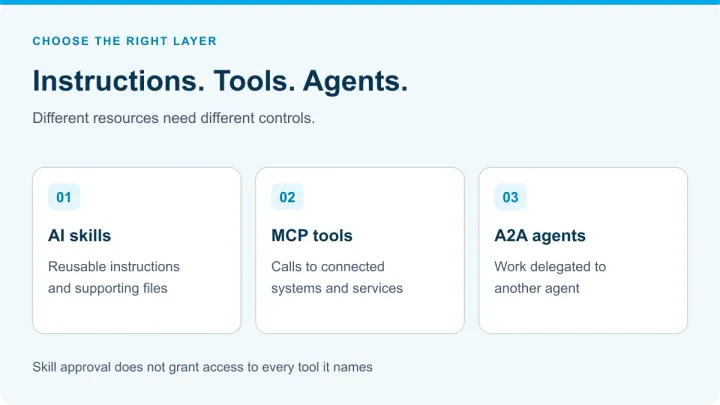
Compare AI skills and MCP tools, then see how Jarvis governs private skill distribution and live tool access without treating one as the other.
Compare an internal AI agent build with Jarvis orchestration and governance. Review supplied capabilities, cloud delivery scope and cost per completed task.
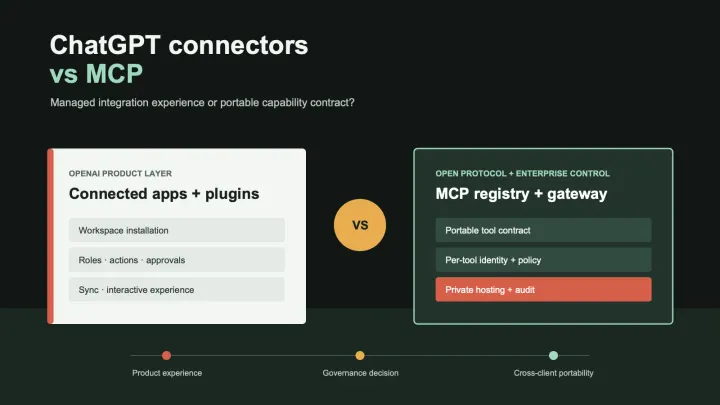
ChatGPT connected apps and MCP are not substitutes. They are different layers. Helps enterprise teams decide when OpenAI connectors suffice and when to add MCP.
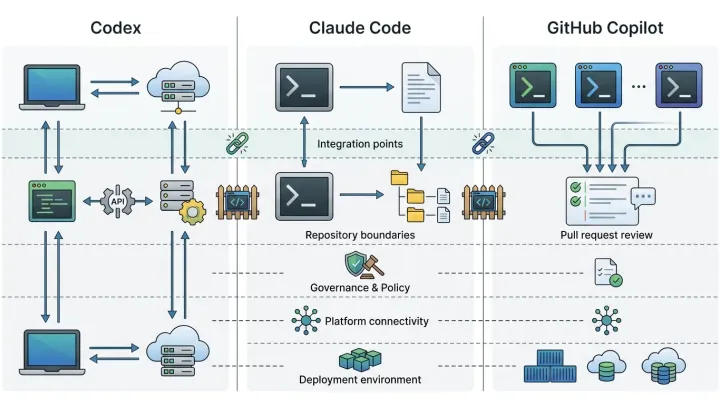
Codex, Claude Code and Copilot are different operating models, not a ranking. Choose by terminal, IDE or GitHub fit, governance and lock-in.
See how Jarvis AI supports plain-language warehouse questions, with a customer example and practical checks for data access, metrics and answer accuracy.
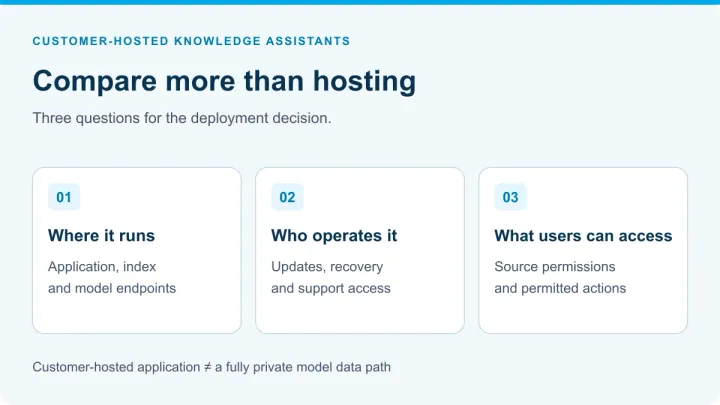
See how Jarvis Chat and Knowledge Base support a company knowledge assistant in your cloud, with source citations, employee access and deployment checks.
Compare Jarvis, Onyx and Glean for customer-hosted company knowledge: operating responsibilities, source permissions, model data paths and actions.
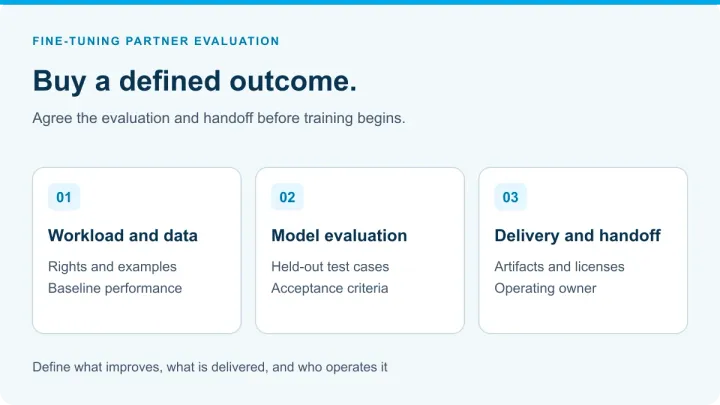
Compare LLM fine-tuning services by data preparation, evaluation, model artifacts, deployment, and handoff—not just the training job or model benchmark.
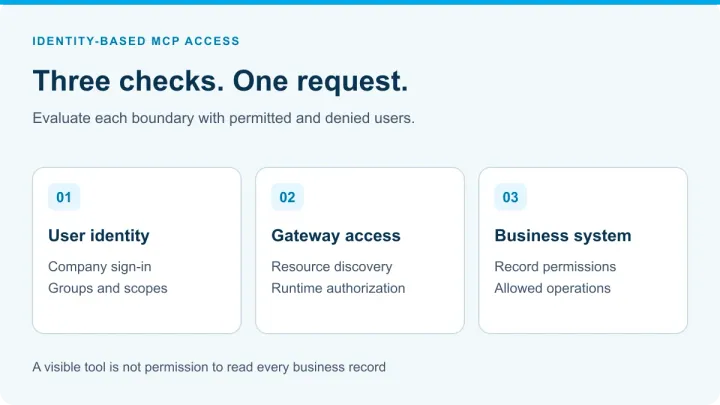
Evaluate MCP access control with Microsoft Entra ID: how Jarvis connects sign-in, roles, resource permissions and tool-call checks in one rollout.
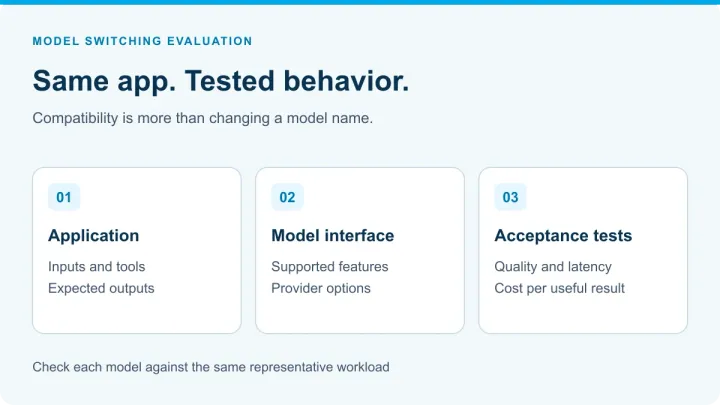
Evaluate AI gateways for switching an application's models. Compare API compatibility, provider routes and testing, and when a multi-model chat workspace fits.
Design AI insurance eligibility verification in 4 steps: intake, payer evidence, exception routing, and reviewed updates. Scope a governed Jarvis workflow.
Weigh automated insurance verification pros and cons with a 5-step pilot and an illustrative ROI example. Compare staff effort, exceptions, and full costs.
Compare 2 platforms for voice AI payer calls and insurance verification. Assess benefit accuracy, evidence, handoffs, and integration scope before a pilot.
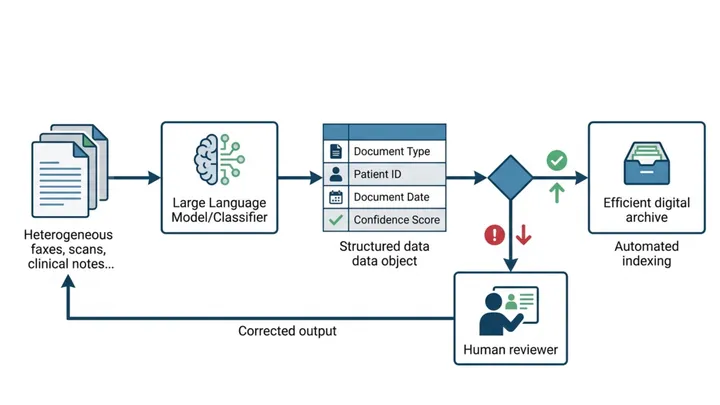
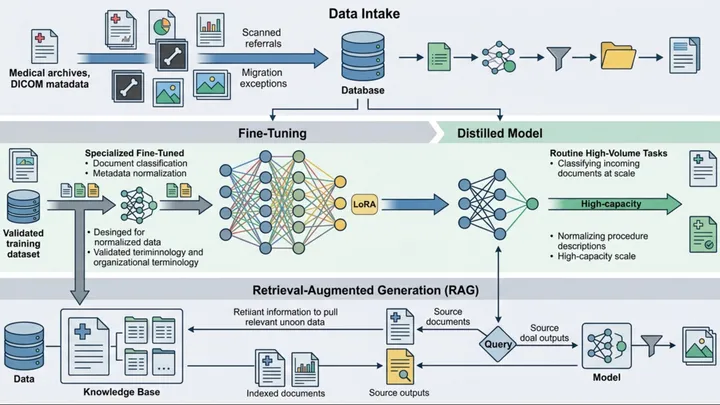
How a fine-tuned, distilled model sorts scanned referrals, faxes and consent forms into an approved taxonomy, with confidence scores and human-review flags.
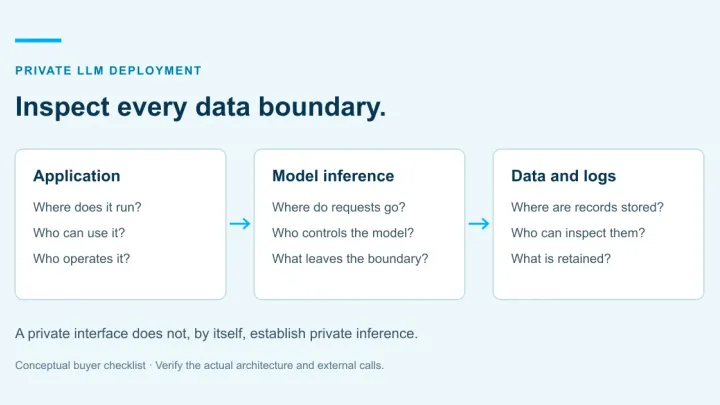
Compare private LLM deployment options before choosing a partner. Check where inference runs, who controls data, and who owns security and operations.
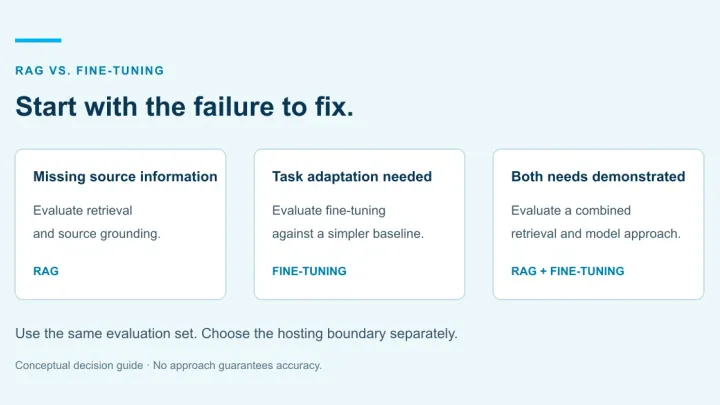
Choose RAG, fine-tuning, or both for a private LLM project. Compare data needs, source attribution, evaluation, and the cost of maintaining each approach.
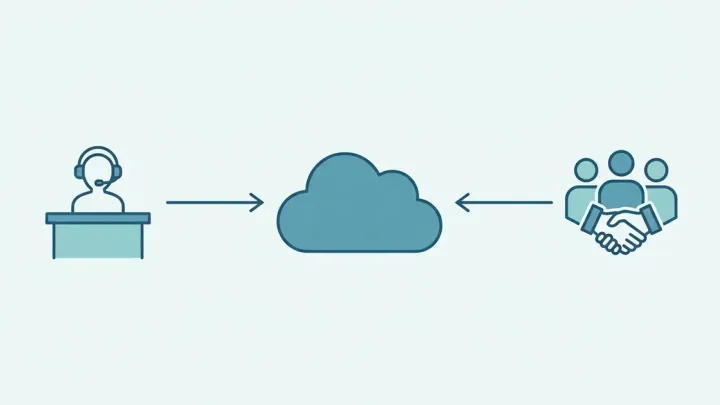
Enterprise Support is mandatory in a cross-service AWS PPA (formerly EDP), and an authorized partner can provide it. Size, scope and negotiate the deal.
Where fine-tuning and distillation fit next to RAG in healthcare archive AI, with a 5-phase deployment model for classification, metadata and exceptions.
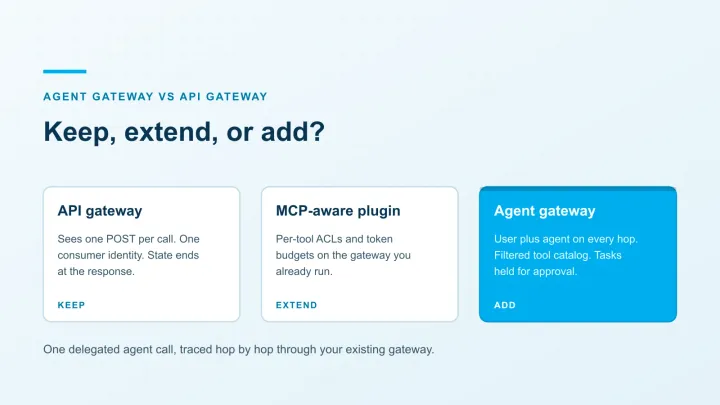
Agent gateway vs API gateway: trace an agent call hop by hop to see which controls your gateway keeps, which plugins extend, and which need a new layer.
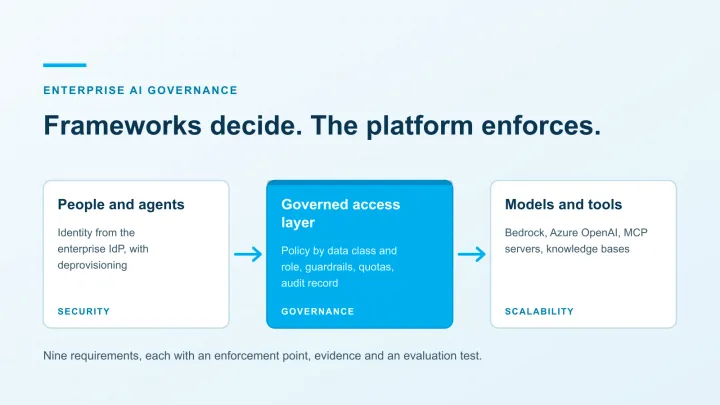
Enterprise AI governance framework requirements for a secure, scalable platform: identity, guardrails, audit evidence, model routing, and how to verify each.
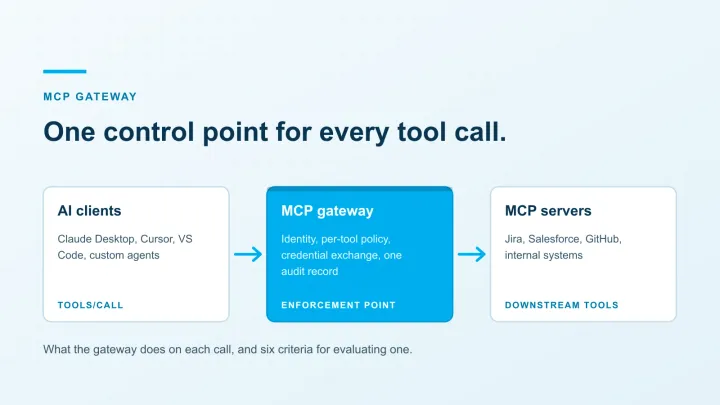
An MCP gateway controls traffic routed between AI clients and MCP servers. Evaluate identity, permissions, credentials and evidence in your actual deployment.
See how Jarvis AgentFlow combines workflow automation with human approval. Follow a purchase request and check reviewer, permission and retry behavior.
Evaluate AI token cost tracking by user, team, model, and application. Separate billing, traces, budget alerts, and enforceable spending controls.
Assess an OpenAI or Anthropic application before moving to Amazon Bedrock: model fit, data boundaries, cost, testing, rollout, and operational handoff.
Add an AI assistant to an employee portal with Jarvis Chat. Review embedding, company sign-in, source-backed answers and a practical IT-help pilot.
Choose how enterprise RAG retrieves documents, metadata and database records. Compare embeddings, access controls and tests before selecting a platform.
A practical enterprise MCP registry architecture for governing discovery, identity, per-tool policy, lifecycle, runtime calls, and audit across AI clients.
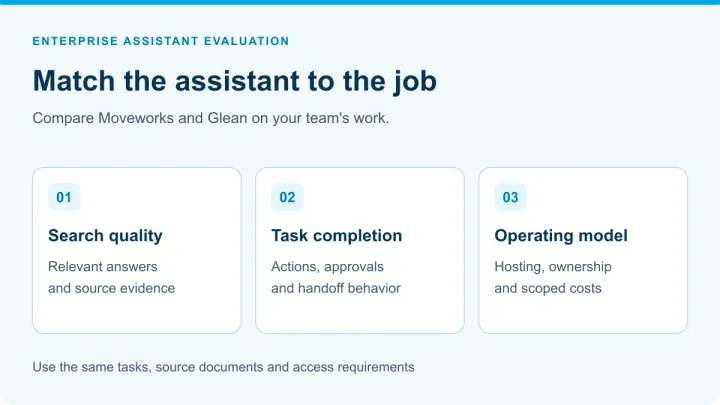
Moveworks vs Glean changed after ServiceNow's $2.85B deal. Explore the 6-dimension scorecard and 5-situation framework for enterprise AI assistant buyers.
Jarvis vs Moveworks from the team that builds Jarvis: see how each side wins across 8 dimensions, from $18K published pricing to MCP gateway support.
MCP vs RAG is a category error: one is a protocol, the other a pattern. See how the two layers compose in enterprise AI and what breaks if you pick only one.
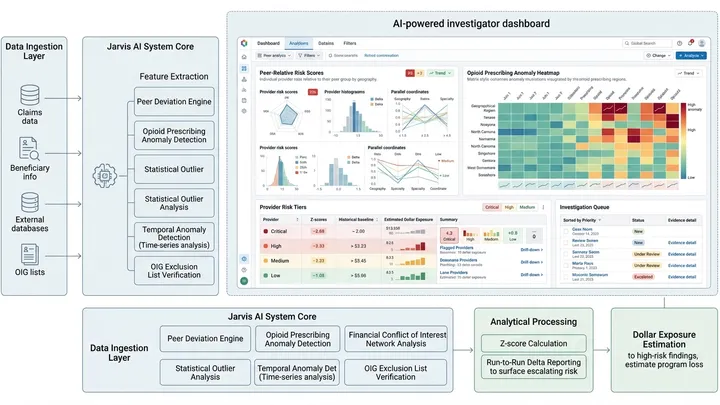
A Tennessee Medicaid pharmacy fraud pilot flagged 48 high-risk providers using AI. Here are the 5 capability gaps most state fraud detection systems still miss.
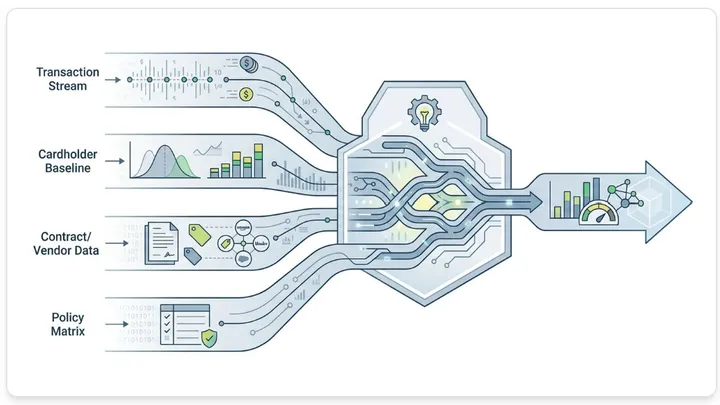
How South Carolina agencies can strengthen P-Card fraud prevention with contextual anomaly detection, split-transaction analysis, and explainable AI.
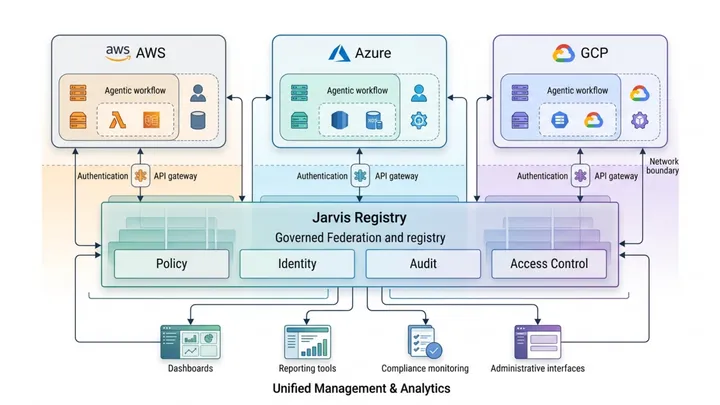
Why multicloud agent orchestration breaks across AWS, Azure, and GCP: identity, networking, and egress controls, and how a governed registry fixes it.
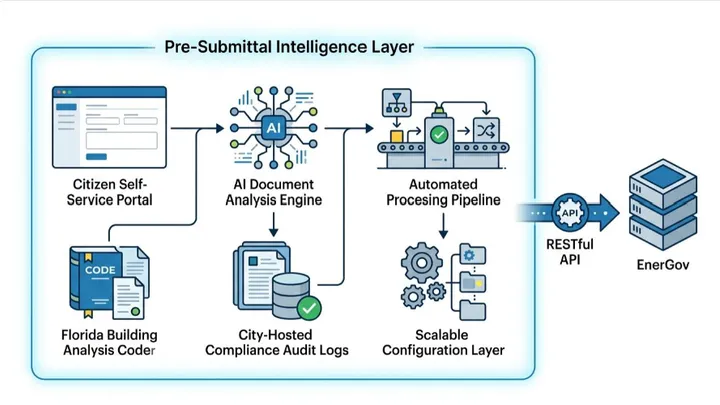
Five capabilities municipalities need for production AI permit completeness checks: code grounding, auditability, fast deployment, access, and scale.
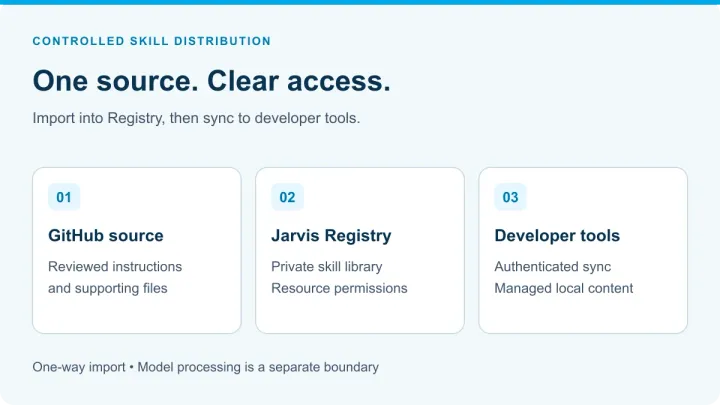
Private AI skills need more than shared storage. Define who approves updates, test distribution, and separate access removal from deleting downloaded files.
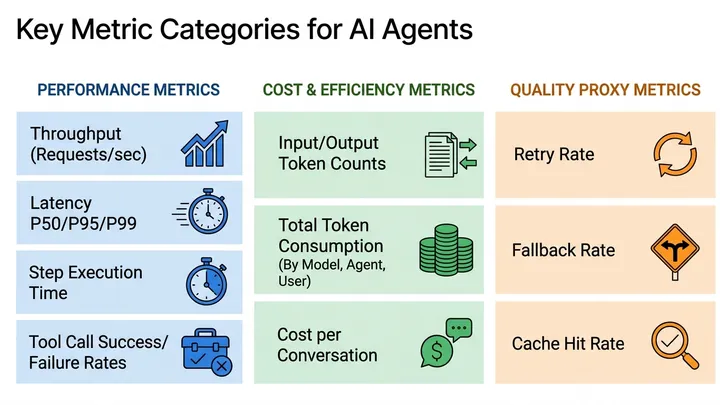
How OpenTelemetry instruments AI agents: distributed traces for prompt tuning, structured logs for health, and metrics for token usage and latency.
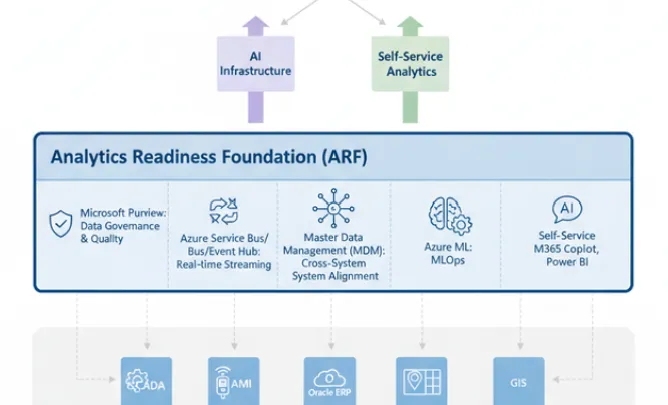
Learn why SCADA, AMI, ERP, and GIS alone are not enough for water utility AI, and how an Analytics Readiness Foundation enables scalable, auditable outcomes.
Learn how Amazon QuickSight handles filenames and tab names for Excel, CSV, and PDF exports, and discover workarounds for better control and consistency.
Learn practical ways to handle Kubernetes secret updates and restart pods safely using rollout restart, External Secrets Operator, and Reloader.
Learn how to configure Kubernetes and Celery for graceful shutdown, longer termination windows, and safer handling of long-running background jobs.
AWS NAT Gateways are easy but block traffic inspection and bill per hour and per GB. Decide when a self-managed EC2 NAT instance is worth the extra ops work.
Deploy the ASCENDING S3 storage solution with one CloudFormation template, then use your native OS file system to browse, sync and share S3 files securely.
End-to-end MLOps suites from Azure and Google Cloud are fast to adopt; a custom-built tool stack avoids a single point of failure. Compare both paths.
A custom video KPI case study: pseudo-code specs, live working sessions and solution reuse produced a model that doubled the KPI score in trial ad groups.
A fintech case study moving machine learning from manual scripts to MLOps Level 2: automated training pipelines first, then full CI/CD for model delivery.
What MLOps actually solves: managing the machine learning lifecycle from data to production, and the reasons ML and AI projects stall without it.
The cost factors that drive machine learning project budgets: data availability, accuracy targets, problem complexity, and the four stages of ML delivery.
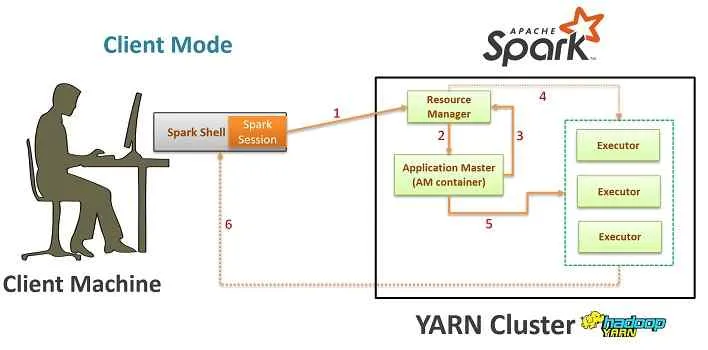
Use Spark broadcast joins on Amazon EKS to cut data shuffling and network overhead. When broadcasting helps, when it hurts, and how to size the threshold.
Inefficient IT hiring costs more than salary. The hidden drag of slow recruiting cycles, and staffing strategies that get the right engineers on board.
Optimize Spark partitioning on Amazon EKS. Learn when to use repartition vs partitionBy, how to size partitions, and how to speed up data retrieval.
Eliminate the Spark union operator bottleneck on Amazon EKS. How ASCENDING cut execution time by restructuring unions and reducing redundant scans.
Secure web applications with AWS WAF, Shield, and Firewall Manager. Common web attack vectors and a 1-click CloudFormation deployment to stop them.
Set up interactive Spark on an EKS cluster to debug jobs in real time, test data processing logic iteratively, and tune performance without full re-runs.
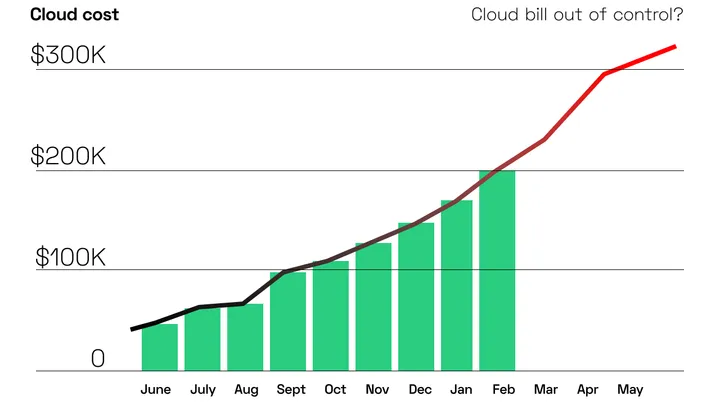
Track Kubernetes cost per workload on EKS. Compare Kubecost, Datadog and CastAI, then build per-Spark-job cost monitoring with Prometheus and Grafana.
How AWS Scale-Out Computing (SOCA) runs HPC workloads in the cloud: scalability, storage, cost control, and security for research and engineering teams.
How to spot AI-assisted answers in technical interviews: reading non-verbal cues, adapting your question set, and handling the ethics of AI in hiring.
IT vendor quotes for the same project can range from $5K to $500K. Run a scoped proof of concept and break down the cost so your SMB picks a vendor that fits.
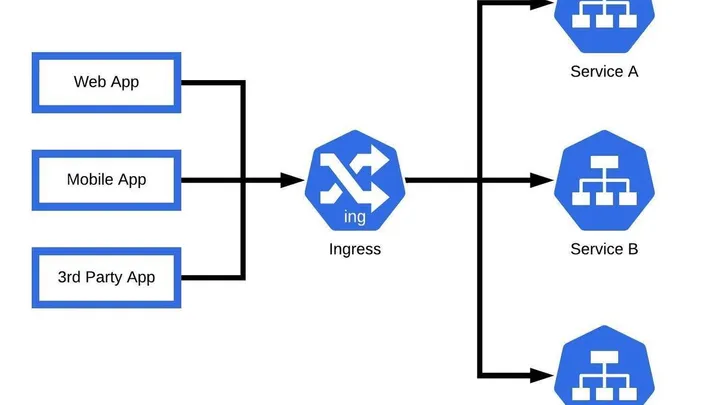
Consolidate Kubernetes Ingress rules onto one ALB with an AWS Load Balancer Controller IngressGroup to cut cost, shrink the attack surface and enforce HTTPS.
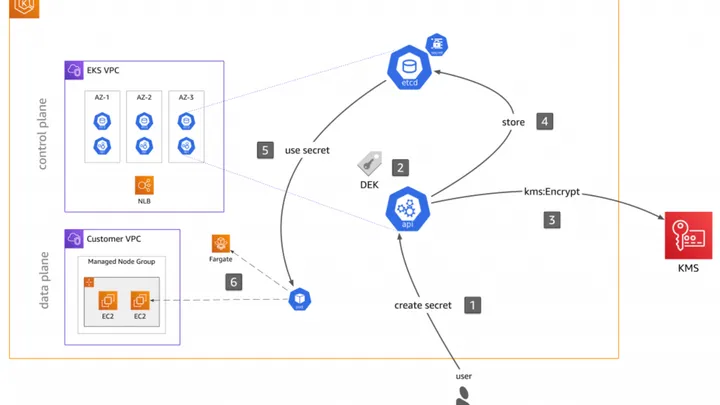
Encrypt Kubernetes secrets with AWS KMS before committing them to Git, decrypt them in Terraform, and use EKS audit logs to track who reads each secret.
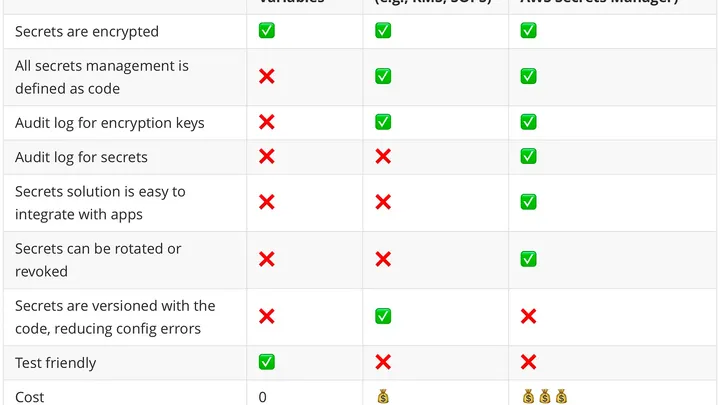
Kubernetes stores Secrets unencrypted in etcd by default. Compare three ways to pass secrets into Amazon EKS: env vars, KMS or Sealed Secrets, and a vault.

Move a relational schema to DynamoDB single-table design: map entities, list access patterns, then choose partition and sort keys, with three worked cases.
Monitor Amazon EKS nodes, pods and containers with Prometheus and Grafana: track CPU, memory and network metrics, alert on thresholds, and use Pushgateway.
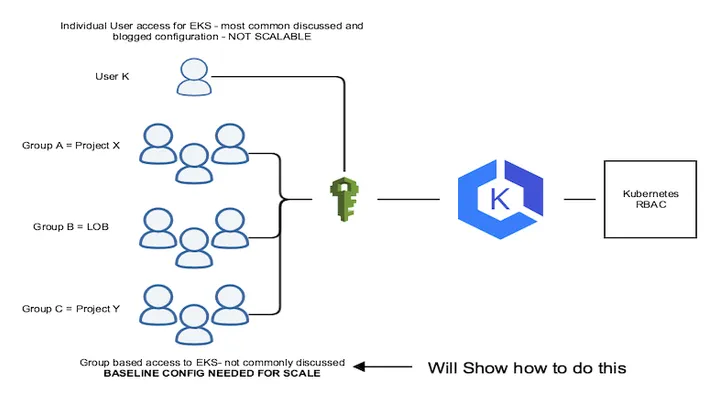
Amazon EKS uses IAM to authenticate and Kubernetes RBAC to authorize. Map least-privilege IAM roles to RBAC, move to access entries, and give pods IAM roles.
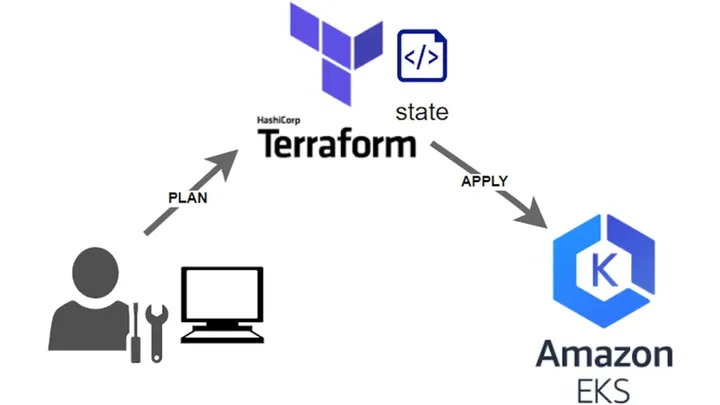
Provision Amazon EKS with Terraform to stop infrastructure drift, review changes before they deploy, and keep remote state, modules and versions reproducible.
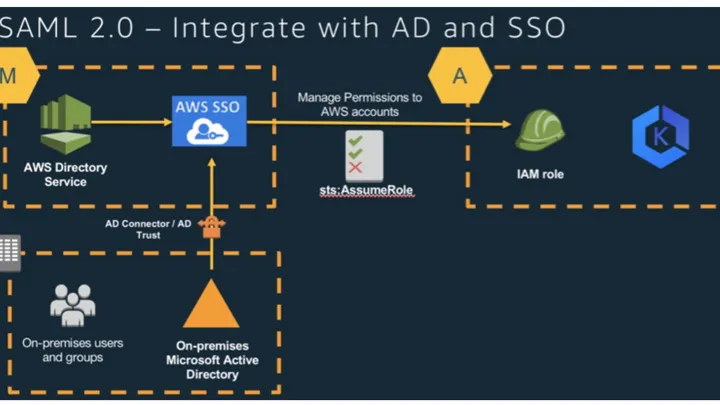
Integrate SSO with Amazon EKS through Okta or AWS SSO: limit IAM role trust policies to identity provider groups and map each role to least-privilege RBAC.
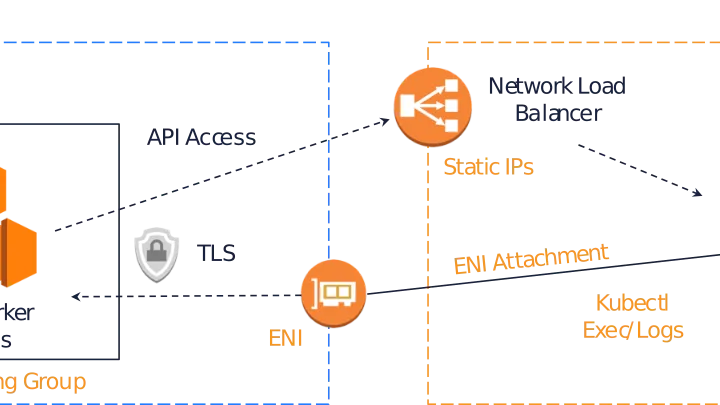
Reserve small /28 cluster subnets for EKS network interfaces and size /19 worker subnets for the VPC CNI, so cluster upgrades never run out of IP addresses.
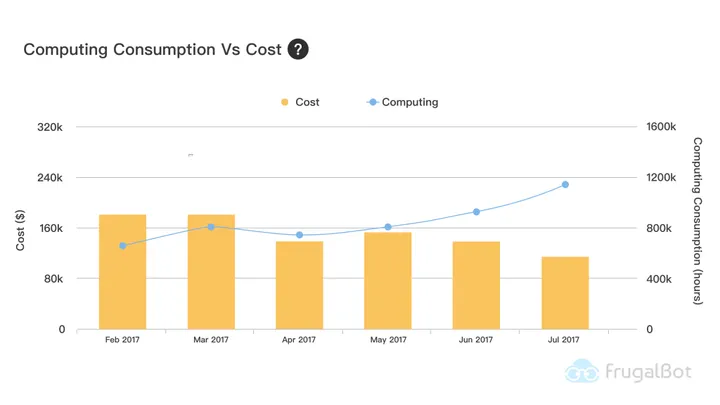
How the FrugalOps team built FrugalBot for AWS Continuous Cost Optimization (CCO), and the monitoring practices that keep cloud spend under control.
Add WebSocket support to Spring Boot with STOMP and SockJS: configure the message broker, handle allowed origins, and build real-time two-way messaging.
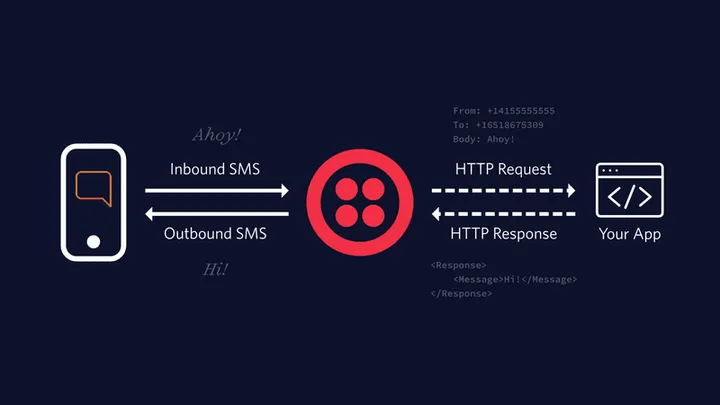
Send SMS verification codes with the Twilio API and Amazon SQS. Queue messages from a Spring Boot app and deliver them reliably to customer devices.
Fix the AWS Lambda 'No module named _cffi_backend' error. Why native libraries built locally break in the Lambda runtime, and how to package them right.
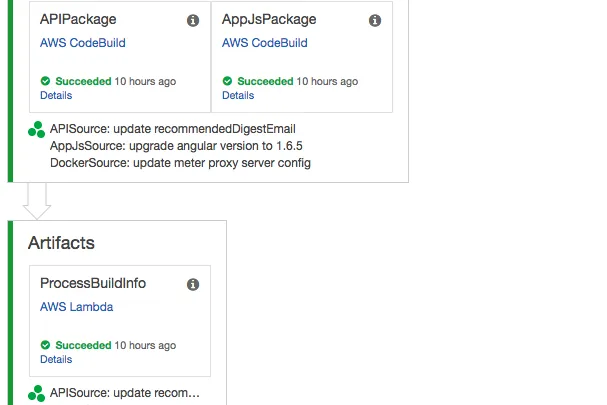
Build a CI/CD pipeline with AWS CodePipeline, CodeBuild, and CloudFormation. Part 1 covers continuous integration and delivery for application teams.
Build continuous deployment to Kubernetes with AWS CodePipeline: build images, store secrets in Parameter Store, and roll new pods onto an EKS cluster.
Cut Amazon S3 storage costs without changing application code. Use lifecycle policies, storage classes, and Intelligent-Tiering to reduce your AWS bill.
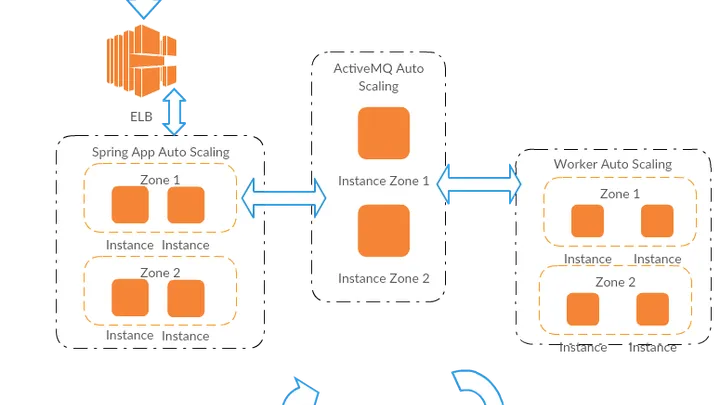
Combine EC2 Spot Fleet with Auto Scaling for cost savings and high availability, so your stack survives spot interruptions without losing capacity.
Integrate Redis with Spring Boot: configure the connection, cache data with RedisTemplate, and use the in-memory key-value store to speed up your API.
Measure AWS cost optimization with real benchmarks. Use AWSMeter to compare instance types and price-performance before committing to a cost decision.
Integrate Amazon SQS and SendGrid with a Spring Boot application: queue email jobs, consume them with a worker, and send dynamic SendGrid templates.
Migrate business applications to serverless on AWS: web hosting, scalable APIs, Cognito auth, scheduled jobs, Step Functions pipelines, and monitoring.
Pass resources between nested CloudFormation stacks with outputs, parameters and exports, so large templates stay modular, reusable and easy to debug.
Generate CloudFormation templates programmatically with EJS instead of hand-editing YAML, so large AWS stacks stay maintainable and repeatable.
Run your full application stack on EC2 Spot Instances. How to refactor a stack to be spot-ready and cut compute costs without sacrificing availability.
Handle the EC2 Spot Instance 2-minute termination notice: detect it from instance metadata or CloudTrail, then drain workloads before the instance goes.
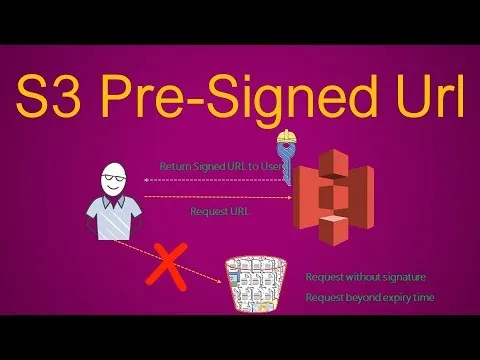
Generate Amazon S3 presigned URLs in Spring Boot to grant temporary, secure access to private objects without ever making the bucket public.
No articles match your search. Try another keyword or category.
Newsletter
Practical guides and fresh perspectives from ASCENDING. Subscribe on our newsletter site.